Service : 734-621-5052 Contact us Sales: 734-621-5052 Get A Quote

Category: Cantilever Racking

Heavy-duty cantilever racks storing steel beams in a U.S. warehouse

Why Cantilever Racks Are Ideal for Steel Service Centers

Cantilever racks have emerged as the go-to solution for steel service centers across the United States. These heavy-duty storage systems are specifically engineered to handle long, bulky, or awkwardly shaped materials such as steel beams, metal pipes, tubing, and sheet metal. Unlike traditional pallet racking systems, cantilever racking systems offer an open design with adjustable arms, allowing for easy access, efficient organization, and maximized vertical space.

In a sector where handling massive steel components is a daily operation, the efficiency, durability, and flexibility of cantilever racking are unmatched. Whether you’re storing structural steel, flat bars, steel coils, or metal rods, cantilever racks are designed to meet your most demanding storage needs.

What Is a Cantilever Rack?

A cantilever rack is a type of industrial racking system that consists of a central vertical column with horizontal arms extending outward. These arms are not blocked by vertical supports at the front, making them perfect for storing long materials. The open-front design simplifies loading and unloading with forklifts or cranes.

Why Are Cantilever Racks Perfect for Steel Service Centers?

1. Optimal Storage for Long and Heavy Materials

Steel service centers often store materials like I-beams, steel rebar, tubular steel, and steel channels. These items are extremely heavy and lengthy, making them difficult to store with conventional shelving. Heavy-duty cantilever racks for steel are specifically designed to accommodate these materials, providing the support and accessibility required for daily operations.

2. High Weight Capacity and Durability

Cantilever racking systems are manufactured using high-strength steel and are engineered to handle loads exceeding several thousand pounds per arm. Many U.S. manufacturers offer customizable cantilever racks for industrial steel storage, ensuring that each rack matches your facility’s exact load capacity needs.

3. Enhanced Accessibility and Efficiency

The open-front design eliminates horizontal obstructions, which allows forklift operators to load and unload products quickly and safely. In steel service centers, where time and efficiency are critical, this feature drastically reduces handling time.

4. Custom Configuration Options

Every steel service center is different. That’s why adjustable cantilever racking systems are highly beneficial. These racks can be configured to match the dimensions of your steel inventory—whether it’s long bars, coiled steel, or plate steel. You can customize:

  • Arm length and capacity
  • Number of levels
  • Base width
  • Column height
  • Single-sided or double-sided design

5. Maximizes Floor Space and Vertical Storage

Many steel service centers struggle with floor space due to the sheer volume and size of their inventory. High-density cantilever racks for metal storage are engineered to utilize vertical space effectively, allowing warehouses to store more steel products without expanding their footprint.

6. Increased Safety for Workers and Materials

Storing steel items improperly can lead to workplace injuries, equipment damage, and material loss. Cantilever racks offer safe storage for heavy metal products, minimizing risks associated with unstable stacking or cluttered floors.

How to Choose the Right Cantilever Rack for Your Steel Service Center

1. Know Your Inventory Specs

Before choosing a racking system, evaluate the dimensions, weight, and types of steel products you intend to store.

2. Select Single-Sided or Double-Sided Racks

  • Single-sided cantilever racks are placed against walls.
  • Double-sided cantilever racks provide access from both sides and are ideal for open floor plans.

3. Choose Galvanized or Painted Steel Racks

For outdoor storage or environments with high humidity, galvanized cantilever racks for outdoor steel storage are rust-resistant and long-lasting.

4. Check Seismic Compliance

If your steel service center is located in a region prone to earthquakes (like California), make sure your racks comply with seismic building codes.

Frequently Asked Questions (FAQs)

Q1: What types of steel products can be stored on cantilever racks?

A1: Cantilever racks can store a wide range of steel products, including steel angles, flat bars, round pipes, square tubing, sheet metal, and coiled steel. The design supports materials that are long, heavy, or irregular in shape.

Q2: Are cantilever racks adjustable?

A2: Yes. Most industrial cantilever racking systems are fully adjustable. You can change the arm height to accommodate different product sizes or modify the configuration as your inventory evolves.

Q3: Can cantilever racks be used outdoors?

A3: Absolutely. Galvanized cantilever racks are designed for outdoor steel storage and can withstand harsh weather conditions, making them perfect for outdoor yards or uncovered facilities.

Q4: What is the typical weight capacity of a cantilever rack arm?

A4: Depending on the manufacturer and model, arms can support 1,000 to over 5,000 lbs per arm. For heavier steel products, always choose heavy-duty cantilever racks designed specifically for industrial-grade steel.

Q5: Do I need a professional installer for cantilever racks?

A5: Yes, it’s highly recommended. Professional rack installation ensures that the structure is safe, level, and compliant with local building and safety codes, especially in high-volume steel service centers.

Q6: What safety accessories are available for cantilever racks?

A6: Safety options include:

  • Arm lips to prevent product roll-off
  • Rack guards and end stops
  • Load capacity labels
  • Anchor bolts for floor securing
  • Seismic footplates (in certain U.S. regions)

Q7: How do cantilever racks compare with pallet racks for steel storage?

A7: Pallet racks are better for boxed or palletized goods, while cantilever racks are ideal for long and irregularly shaped items like steel bars or pipes. Cantilever racks offer better accessibility and configuration flexibility for such materials.

Q8: What is the cost of installing cantilever racking in a steel warehouse?

A8: The cost varies based on:

  • Rack dimensions
  • Material type (galvanized vs. painted)
  • Load capacity
  • Installation fees

For a medium-sized steel service center in the USA, the investment typically ranges from $5,000 to $30,000, depending on customization.

Final Thoughts

Cantilever racks are not just a smart choice—they are a strategic investment for steel service centers aiming to improve operational efficiency, inventory management, and safety. By adopting customizable, heavy-duty cantilever racking systems, facilities can optimize floor space, reduce product damage, and enhance worker productivity.

When properly configured and installed, cantilever racks for steel service centers can significantly contribute to streamlined logistics, reduced downtime, and long-term storage scalability.

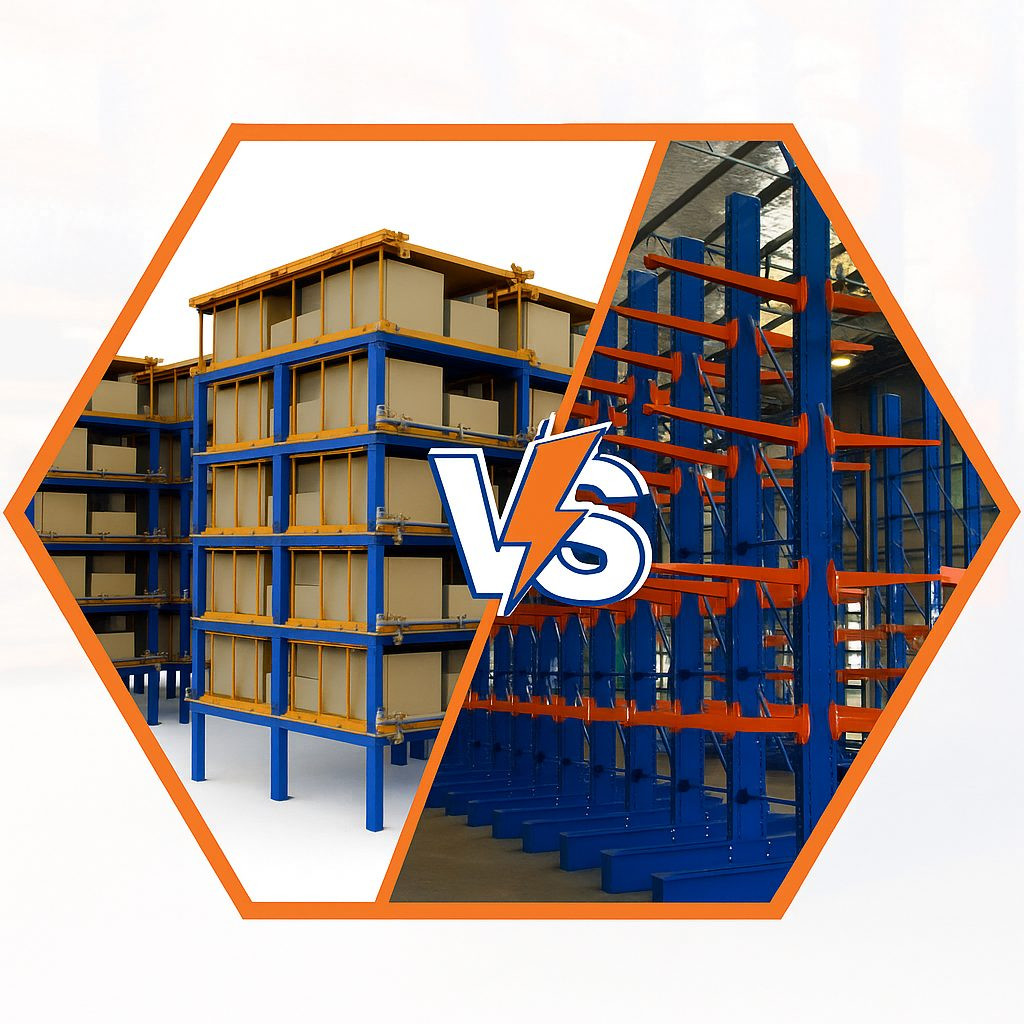
Comparison between drive-in and cantilever racking systems

Drive-In Racking vs. Cantilever Racking: Pros and Cons

When it comes to warehouse storage solutions, selecting the right racking system is critical for optimizing space, improving accessibility, and enhancing inventory management. Two popular racking systems are Drive-In Racking and Cantilever Racking, each suited for specific applications. This article dives deep into their advantages and disadvantages, helping warehouse managers and business owners in the USA make informed decisions. We’ll explore the key differences, use cases, and long-tail keyword comparisons for SEO value.

Comparison between drive-in and cantilever racking systems in a warehouse
Drive-In vs. Cantilever Racking: Choosing the Right System for Your Warehouse

What is Drive-In Racking?

Drive-in racking systems are high-density storage systems designed for storing large quantities of similar products. Pallets are stored several deep and are accessed by forklifts that drive directly into the lanes. This system uses the Last-In, First-Out (LIFO) method, which is ideal for storing non-perishable or uniform products that don’t require frequent stock rotation.

✅ Pros of Drive-In Racking

  1. High-Density Storage
    • Maximizes vertical and horizontal space.
    • Ideal for cold storage warehouses or facilities with large quantities of the same SKU.
  2. Cost-Effective per Pallet
    • Lower cost per pallet stored due to high storage density.
    • Fewer aisles are needed, increasing space utilization.
  3. Reduced Footprint
    • Allows you to store more pallets in a smaller footprint compared to selective racking.
  4. Ideal for Seasonal or Bulk Products
    • Great for storing products with limited SKUs and low rotation frequency.

❌ Cons of Drive-In Racking

  1. Limited Selectivity
    • Not suitable for operations that require frequent access to a wide variety of SKUs.
    • Operates on LIFO inventory management, which may not suit all product types.
  2. Higher Forklift Labor
    • Forklifts must drive in and reverse out of each lane, slowing down retrieval and increasing risk of rack damage.
  3. Not Ideal for Time-Sensitive Products
    • Poor choice for FIFO (First-In, First-Out) requirements, such as in perishable food or pharmaceuticals.
  4. Potential for Rack Damage
    • Due to constant forklift movement inside the rack structure.

What is Cantilever Racking?

Cantilever racking systems are open-front racks designed to store long, bulky, or irregularly shaped items such as lumber, steel pipes, furniture, or sheet metal. Instead of horizontal beams like traditional racking, cantilever systems use arms that extend outward, providing unobstructed access from the front.

✅ Pros of Cantilever Racking

  1. Best for Long and Bulky Items
    • Provides flexible storage for materials like piping, steel beams, plywood sheets, and more.
  2. Unobstructed Access
    • Easy to load and unload using side loaders or forklifts.
    • No front columns = easier material handling.
  3. Highly Customizable
    • Arms can be adjusted to different heights and lengths.
    • Available in light-duty to heavy-duty configurations.
  4. Improved Visibility
    • Open structure makes it easy for warehouse personnel to identify and access products.

❌ Cons of Cantilever Racking

  1. Lower Storage Density
    • Less space-efficient than drive-in racking.
    • Requires more aisle space for maneuverability.
  2. Higher Initial Investment
    • Typically more expensive due to robust design and materials.
    • Can be cost-prohibitive for smaller operations.
  3. Not Suitable for Palletized Goods
    • Designed specifically for non-palletized long loads, making it unsuitable for traditional pallet storage.
  4. May Require Specialized Forklifts
    • Depending on rack height and warehouse layout.

Key Differences Between Drive-In and Cantilever Racking

Feature Drive-In Racking Cantilever Racking
Product Type Uniform, palletized goods Long, bulky, irregular items
Access Method Forklift enters racking Forklift or side loader from aisle
Inventory Flow LIFO (Last-In, First-Out) Typically First-In, First-Out or random access
Storage Density High Moderate to low
Ideal For Cold storage, bulk inventory Lumber yards, pipe storage, building materials
Cost Lower initial cost Higher initial cost but highly versatile
Space Utilization Efficient Less dense but more flexible

Choosing the Right Racking System for Your Warehouse

Your choice between drive-in racking systems and cantilever racking systems should be based on:

  • Type of inventory: Palletized goods vs. long items.
  • Frequency of access: High-turnover vs. low-turnover.
  • Warehouse layout: Height, aisle width, forklift access.
  • Storage density needs: Maximize pallets vs. accessibility.
  • Budget and ROI considerations

Use Cases in the USA Market

Drive-In Racking Use Case:

A refrigerated warehouse in Chicago storing bulk frozen vegetables uses drive-in racking to maximize space and maintain low operating costs.

Cantilever Racking Use Case:

A Los Angeles-based construction material supplier uses cantilever racking to store steel beams and PVC pipes, enabling easy selection and restocking.

Frequently Asked Questions (FAQs)

Q1: What industries benefit most from drive-in racking?

A: Industries like food & beverage, cold storage, and bulk retail that store large volumes of the same product benefit the most.

Q2: Is cantilever racking suitable for outdoor use?

A: Yes, cantilever racking systems for outdoor storage are often made from galvanized steel to resist weather and corrosion. They’re commonly used in lumber yards and construction sites.

Q3: Can I convert existing selective racking into drive-in racking?

A: Not typically. Drive-in racks require a specific structure and bracing to allow forklifts to enter lanes safely. Retrofitting is not cost-effective in most cases.

Q4: How do I calculate the ROI of switching to cantilever racking?

A: Calculate ROI by evaluating labor savings from faster access, reduced product damage, and the ability to store high-margin inventory more efficiently. Over time, cantilever racking ROI can be significant, especially in construction supply or steel industries.

Q5: Which racking system is safer for forklift operators?

A: Cantilever racking generally offers safer forklift operation due to unobstructed access and fewer tight spaces. Drive-in racking requires precise maneuvering within confined lanes.

Q6: Can I mix cantilever and drive-in racking in the same warehouse?

A: Absolutely. Many warehouses in the United States use hybrid racking layouts to store diverse inventory. Drive-in racks may be used for palletized bulk goods, while cantilever racks handle irregular or long products.

Q7: How do I maintain drive-in racking?

A: Regularly inspect for rack damage from forklifts, ensure all beams and rails are secure, and verify that loads are stacked evenly to prevent collapse. Proper forklift operator training is key.

Q8: Is drive-in racking compatible with automation?

A: While possible, drive-in racking is not ideal for automated retrieval systems (AS/RS) due to its structure. Cantilever racking may integrate better in custom automated environments.

Final Thoughts

When evaluating Drive-In Racking vs. Cantilever Racking, it’s essential to consider your specific inventory needs, space constraints, and operational flow. For high-density storage of palletized goods, drive-in racking systems offer unbeatable space efficiency. On the other hand, if you’re handling long, bulky materials, cantilever racking provides unmatched flexibility and accessibility.

Making the right choice can dramatically impact your warehouse’s efficiency, safety, and profitability. If you’re unsure, consult a warehouse storage expert in the USA to assess your layout and recommend the best solution.

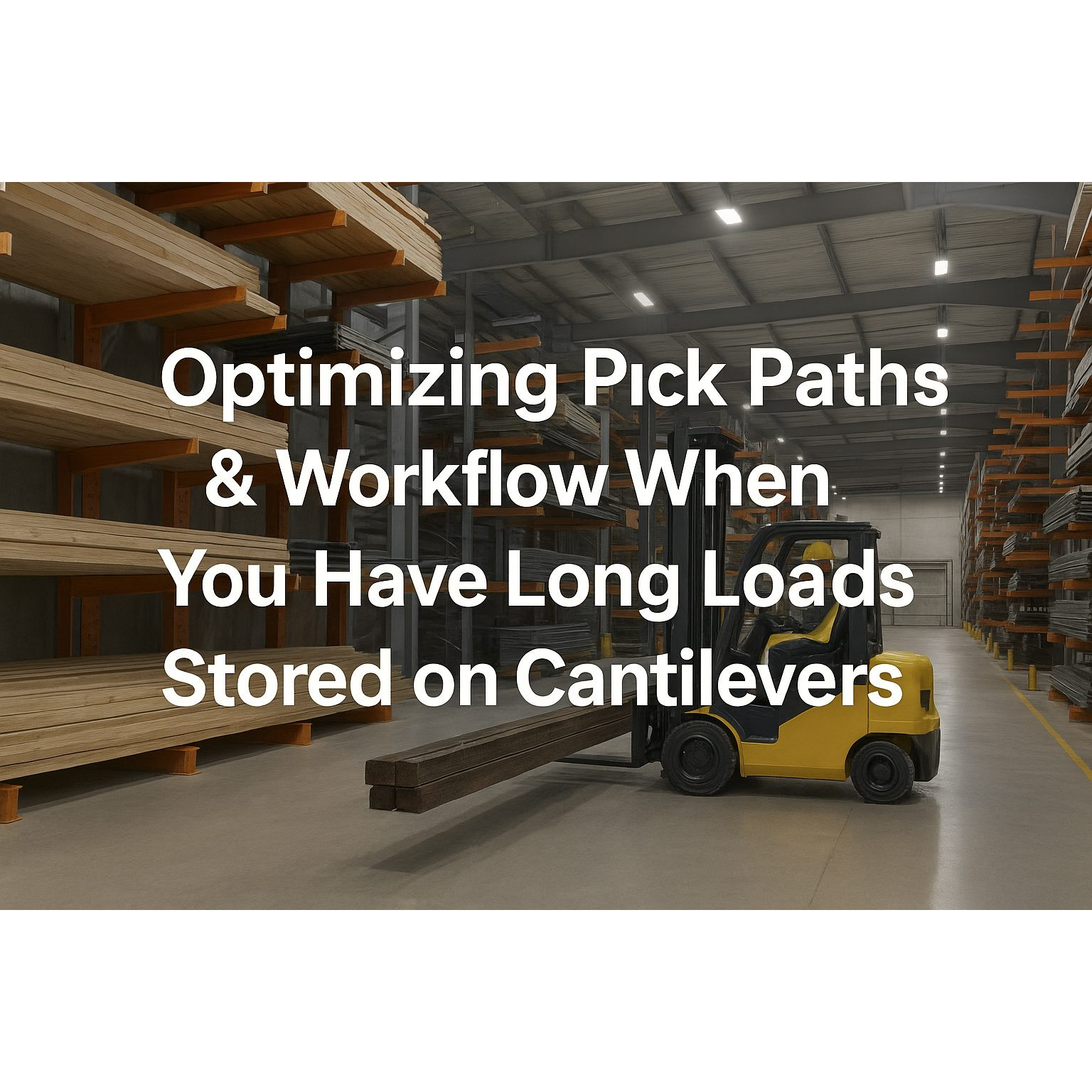
Cantilever racking system storing long wood beams at a lumber yard

Why Lumber Yards Love Cantilever Racking Best Practices for Wood Storage

Storing lumber efficiently is a challenge that lumber yards, woodworking businesses, and construction material suppliers face every day. With diverse lengths, widths, and weights, wood products require a storage system that is flexible, safe, and space-saving. This is exactly where cantilever racking for lumber storage shines.

In this article, we explore why cantilever racking systems have become the go-to solution for lumber yards across the United States, and how to implement best practices for storing wood in cantilever racks.

What Is Cantilever Racking?

Cantilever racking is a storage system designed to hold long, bulky, and irregularly shaped items like dimensional lumber, plywood sheets, timber beams, and PVC pipes. Unlike traditional pallet racks, cantilever racks consist of vertical columns with horizontal arms extending outward, allowing for easy side loading and unloading of wood materials.

Key Components of Cantilever Racking:

  • Base: The foundation that stabilizes the system.
  • Uprights: Vertical posts that hold the arms.
  • Arms: Horizontal supports that extend from the upright to hold wood products.
  • Braces: Provide structural integrity and connect uprights.

Why Lumber Yards Love Cantilever Racking

1. Optimal Storage for Long and Bulky Materials

Wood comes in various lengths and forms, including boards, beams, plywood sheets, and molding. Cantilever racks for long wood storage allow these items to be stored horizontally across extended arms without needing pallets or bins.

2. Improved Accessibility

With open front access, forklifts and manual handlers can quickly load or unload products from the side without navigating around vertical columns. This reduces handling time and improves lumber-picking efficiency.

3. Maximized Vertical and Horizontal Space

Cantilever systems can be built as single-sided or double-sided racks, enabling maximum use of warehouse space. By stacking vertically and along walls, lumber yards can increase storage density without sacrificing access.

4. Customizable Design for Different Wood Types

From light-duty to heavy-duty options, adjustable cantilever racking for lumber can be tailored to fit wood types of varying weights and dimensions. Additions like arm lips prevent material from rolling off, while roofed outdoor cantilever racks allow for weather-protected storage.

5. Increased Safety and Durability

Modern cantilever storage systems for wood yards are built from heavy-gauge steel and engineered to hold thousands of pounds per level. This enhances workplace safety and supports compliance with OSHA and ANSI standards.

6. Indoor and Outdoor Compatibility

Thanks to galvanized or powder-coated finishes, outdoor cantilever lumber racks withstand rain, snow, and sun exposure—making them ideal for American lumberyards operating in varied climates.

Best Practices for Wood Storage Using Cantilever Racks

To get the most from your investment in cantilever racking, follow these best practices for storing lumber:

1. Sort Lumber by Type and Length

Create a system that organizes products logically—group softwoods, hardwoods, treated lumber, and plywood sheets on separate racks. Use adjustable arms to ensure similar lengths are stored together, preventing overhangs or instability.

2. Use Load Labels and Weight Distribution Guides

Install clear load signs and distribute lumber weight evenly across arms. Follow the rack manufacturer’s specs for arm load limits to avoid stress or structural failure.

3. Invest in Roof Covers or Canopies

For outdoor lumber storage systems, protect valuable wood from the elements with optional rack-mounted roofs or full canopy systems. This prevents warping, cracking, and discoloration from moisture and UV rays.

4. Schedule Regular Inspections

Inspect racks regularly for signs of wear, bending, or corrosion—especially in outdoor environments. Bolts, welds, and anchors should be checked and tightened periodically.

5. Train Forklift Operators

Proper training ensures that forklifts load and unload wood without damaging the racks or material. Emphasize even placement and discourage overloading any single arm.

6. Label Your Inventory

Add barcodes or color-coded tags to your lumber for fast retrieval and inventory tracking. This practice pairs well with warehouse management systems for lumber yards.

How to Choose the Right Cantilever Rack for Your Lumber Yard

When selecting a cantilever racking system for wood storage, consider the following:

1. Load Capacity

Choose a system rated for your heaviest and longest wood types. For example, heavy-duty cantilever racking for dimensional lumber is ideal for structural timbers and treated wood.

2. Material Type

Use galvanized steel for outdoor systems, or powder-coated finishes for indoor environments to reduce corrosion and extend rack life.

3. Custom Arm Length and Spacing

Match the arm length to your longest wood products. The spacing between arms should be based on wood flexibility; more flexible wood types require shorter spacing to avoid sagging.

4. Modular Expandability

Opt for a modular design that lets you add more arms, levels, or columns as your inventory grows.

Benefits of Cantilever Racking for American Lumber Yards

  • Reduced product damage
  • Faster loading and unloading
  • Better inventory visibility
  • Scalable design for growing businesses
  • Suitable for both small and large operations
  • Cost-effective over time due to durability and ease of maintenance

Frequently Asked Questions (FAQs)

Q1. What is the best way to store long pieces of lumber?

Cantilever racking is the most efficient solution for storing long pieces of lumber, such as beams or boards. The open-front design allows for side loading and maximum flexibility.

Q2. Can cantilever racks be used outdoors?

Yes! Outdoor cantilever racks for wood storage are designed with weather-resistant finishes like galvanized steel or powder coating to protect against rain, snow, and sun.

Q3. Are cantilever racks adjustable?

Absolutely. Adjustable cantilever lumber racks allow users to modify the arm spacing and height to accommodate different types and sizes of wood.

Q4. How much weight can a cantilever rack hold?

It depends on the configuration. Heavy-duty cantilever racks can hold thousands of pounds per arm. Always check the manufacturer’s load specifications.

Q5. Can cantilever racks help reduce wood damage?

Yes, cantilever systems minimize damage by eliminating the need for stacking wood on the floor or in unstable piles. Wood remains supported and off the ground.

Q6. Are there mobile or portable cantilever rack options?

There are mobile base systems available, but most commercial lumber yards prefer fixed units due to stability and capacity requirements.

Q7. Do cantilever racks work with forklift loading?

Yes, the open front of cantilever racks is designed for easy side loading using standard forklifts or side loaders.

Final Thoughts

If you run a lumber yard, mill, or building materials warehouse, investing in cantilever racking for wood storage is one of the smartest decisions you can make. These systems are not only space-saving and efficient but also safe, customizable, and scalable. By following lumber storage best practices, you ensure that your materials stay in top condition, your workspace remains organized, and your team works more efficiently.

Whether you’re looking for heavy-duty outdoor lumber racks or an indoor wood racking system, there’s a cantilever solution out there to match your needs—and help your business grow.

Cantilever racking system in an urban warehouse storing long and bulky materials

The Role of Cantilever Racking in Urban Warehousing and Micro-Distribution

As urbanization accelerates and e-commerce continues to thrive, the demand for efficient storage and rapid order fulfillment has skyrocketed. Urban warehousing and micro-distribution are becoming essential strategies for businesses looking to reduce delivery times and improve customer satisfaction. Cantilever racking has emerged as a crucial solution in urban warehousing due to its ability to maximize vertical and horizontal storage capacity while accommodating irregular and long items. In this article, we’ll explore the role of cantilever racking in urban warehousing and micro-distribution, discussing its benefits, applications, and how it helps businesses adapt to the growing challenges of urban logistics.

What is Cantilever Racking?

Cantilever racking is a type of storage system designed for holding long, bulky, or irregularly shaped items such as lumber, pipes, steel bars, and furniture. Unlike traditional pallet racking, which relies on shelves and beams to support loads, cantilever racking features arms that extend out from a central column, creating an open-front storage system. This design allows for easier loading and unloading using forklifts or other material handling equipment.

Key Components of Cantilever Racking:

  • Base: Provides stability to the entire structure.
  • Vertical Column: The upright structure that supports the cantilever arms.
  • Arms: Extend horizontally from the column to hold the stored items.
  • Bracing: Adds structural support and rigidity to the racking system.
  • End Stops: Prevent items from sliding off the arms.

The Growing Need for Urban Warehousing

Urban warehousing refers to strategically placing storage facilities within or near densely populated urban areas to facilitate faster last-mile delivery. As cities become more crowded and space becomes limited, the need for efficient and space-saving storage solutions has increased.

Challenges of Urban Warehousing:

  • Limited space: High real estate costs and scarcity of available land make it challenging to establish large warehouses.
  • Traffic congestion: Deliveries face delays due to heavy traffic in urban areas.
  • Zoning and regulatory restrictions: Urban warehouses must comply with strict building codes and operational limits.

Micro-Distribution and Its Role

Micro-distribution refers to smaller-scale distribution networks that enable faster delivery to urban customers. Instead of relying on large, centralized warehouses, businesses are setting up small fulfillment centers closer to customer hubs. This strategy helps reduce delivery times and improves order accuracy.

Cantilever racking supports micro-distribution by optimizing vertical storage capacity, allowing more products to be stored within a smaller footprint. This is especially beneficial for managing inventory with varied dimensions and irregular shapes.

How Cantilever Racking Supports Urban Warehousing and Micro-Distribution

1. Maximizing Vertical Space

Urban warehouses often have limited floor space, making vertical storage critical. Cantilever racking takes advantage of warehouse height by stacking materials vertically, freeing up valuable floor space for other operations.

2. Improved Accessibility and Handling

The open-front design of cantilever racking allows for quick and easy access to stored materials using forklifts, reducing picking and loading times. This streamlined handling process is essential for meeting the fast-paced demands of urban fulfillment centers.

3. Adaptability for Irregularly Shaped Inventory

Cantilever racking is ideal for storing items like lumber, piping, and sheet metal that don’t fit well on standard pallet racks. The adjustable arms allow the system to accommodate different product sizes, ensuring efficient use of space.

4. Scalability and Customization

As urban warehouses expand or shift their inventory, cantilever racking can be easily reconfigured or expanded. Its modular design allows businesses to adjust storage capacity and configuration without major structural changes.

5. Enhanced Load Capacity

Heavy-duty cantilever racks are designed to support substantial loads, making them suitable for industrial materials and oversized products. This capability allows urban warehouses to store a wide range of products without compromising safety.

Benefits of Cantilever Racking in Urban Warehousing

Space Optimization:

Cantilever racking maximizes vertical storage while minimizing floor space usage, making it ideal for compact urban warehouses.

Increased Efficiency:

The open design facilitates faster loading and unloading, reducing handling times and improving order fulfillment speeds.

Cost Savings:

By enabling more products to be stored in a smaller footprint, businesses can reduce real estate costs and improve operational efficiency.

Versatility:

Cantilever racks can hold items of varying lengths and shapes, making them suitable for industries such as construction, manufacturing, and retail.

Durability and Strength:

Cantilever racking systems are built to handle heavy loads and resist wear and tear, ensuring long-term reliability in high-traffic warehouse environments.

Best Practices for Implementing Cantilever Racking in Urban Warehousing

1. Assess Warehouse Layout

Analyze available floor and vertical space to determine the most effective configuration for cantilever racking.

2. Select the Right Type of Cantilever Racking

  • Light-duty: For smaller, lightweight items.
  • Medium-duty: For moderate weight and longer items.
  • Heavy-duty: For industrial materials and oversized products.

3. Ensure Proper Installation and Anchoring

Secure the base and columns properly to prevent tipping and ensure load stability.

4. Implement Safety Measures

Install end stops, load capacity labels, and protective barriers to minimize the risk of damage and accidents.

5. Train Staff on Handling Procedures

Ensure forklift operators and warehouse staff are trained to load and retrieve items safely and efficiently.

Industry Applications of Cantilever Racking in Urban Warehousing

➡️ Construction Supplies:

Storing lumber, steel, and pipes for quick access and delivery to urban construction sites.

➡️ Retail and E-commerce:

Organizing and storing furniture, carpets, and large household items for faster order fulfillment.

➡️ Automotive:

Holding tires, exhaust pipes, and body panels in automotive parts warehouses.

➡️ Manufacturing:

Storing raw materials and finished products in manufacturing plants located within urban areas.

FAQs

1. What are the advantages of cantilever racking in urban warehousing?
Cantilever racking maximizes vertical storage, provides easy access to materials, and accommodates irregularly shaped items, making it ideal for space-limited urban warehouses.

2. How does cantilever racking improve micro-distribution efficiency?
By enabling quick access and organized storage, cantilever racking reduces handling time and improves order accuracy in fast-paced urban distribution centers.

3. Can cantilever racking handle heavy loads?
Yes, heavy-duty cantilever racks are designed to support large and heavy materials such as steel beams and lumber.

4. What type of products are best suited for cantilever racking?
Cantilever racking is ideal for storing lumber, pipes, sheet metal, furniture, and automotive parts.

5. How can businesses customize cantilever racking for urban warehousing?
Cantilever racks can be configured with adjustable arms, varying load capacities, and modular designs to fit different storage needs.

6. Is cantilever racking suitable for narrow urban warehouses?
Yes, the vertical storage design of cantilever racking allows businesses to store more products in narrow, height-restricted spaces.

Conclusion

Cantilever racking has become a pivotal solution for urban warehousing and micro-distribution, providing businesses with the ability to store long, bulky, and irregularly shaped items efficiently. Its open-front design, customizable configuration, and high load capacity make it ideal for space-constrained urban environments. By adopting cantilever racking, businesses can improve order fulfillment times, reduce operational costs, and maximize storage capacity, ultimately enhancing their competitive edge in the urban logistics market.

How to Choose the Best Cantilever Racking for Your Industry

How to Choose the Right Cantilever Racking for Your Specific Industry

Selecting the right cantilever racking system is crucial for industries that handle long, bulky, or irregularly shaped items. Whether you’re in lumber storage, metal fabrication, furniture warehousing, or pipe distribution, choosing the appropriate cantilever racks can maximize space, enhance efficiency, and improve safety. This guide will help you understand the key factors in selecting the best cantilever racking solution for your specific industry needs.

Understanding Cantilever Racking Systems

A cantilever racking system consists of a series of arms extending from vertical columns, allowing for open-front storage that accommodates long and heavy materials. Unlike traditional pallet racks, cantilever racks do not have front columns, making them ideal for storing lengthy materials like:

  • Lumber and wood products
  • Pipes and tubing
  • Steel bars and metal sheets
  • Furniture and mattresses
  • Building materials

Key Considerations for Choosing Cantilever Racking

1. Understand Your Load Requirements

Every industry has different weight capacities and load distribution needs. Before selecting a cantilever rack, determine:

  • Maximum load per arm – Ensuring the arms can support your heaviest inventory items.
  • Total system load capacity – The overall weight the racking system must handle.
  • Load distribution – Evenly distributing weight across the system to prevent instability.

For example, a lumber storage facility may require heavy-duty cantilever racks, while a furniture warehouse may use medium-duty racks for lighter materials.

2. Choose the Right Rack Type

Different industries require specific types of cantilever racks:

  • Light-Duty Cantilever Racks – Best for retail storage or lightweight materials like PVC pipes or small moldings.
  • Medium-Duty Cantilever Racks – Ideal for automotive parts storage, furniture warehousing, and metal tubing.
  • Heavy-Duty Cantilever Racks – Used in lumber yards, steel mills, and industrial warehouses for heavy loads.

3. Determine the Rack Height and Arm Length

Proper height and arm length are crucial for efficient storage and safety. Consider:

  • Ceiling height – Choose racking that maximizes vertical space while keeping forklift access in mind.
  • Material length – The arms should be slightly longer than the longest stored item to prevent overhang.
  • Adjustable arms – Some industries require adjustable cantilever racks to accommodate different inventory sizes.

4. Select the Right Material and Coating

Cantilever racks are made from either steel or aluminum, depending on the industry’s needs:

  • Powder-coated steel – Ideal for indoor warehouses with high weight capacities.
  • Galvanized steel – Recommended for outdoor storage or moisture-prone environments like construction yards.

5. Consider Customization Options

Some industries require custom cantilever racking systems for unique storage needs:

  • Inclined arms – Prevent round materials like pipes and tubing from rolling.
  • Decking options – Wire mesh, plywood, or solid steel can create flat shelf surfaces.
  • Mobile cantilever racks – Allow easy repositioning for dynamic warehouse layouts.

📚 Also Read: Why Cantilever Racks Are Ideal for Steel Service Centers

Industry-Specific Recommendations

Lumber and Building Material Storage

For lumber yards and construction suppliers, heavy-duty cantilever racks with galvanized finishes are recommended for outdoor durability. Wide arm spacing accommodates
various board lengths, and roofed cantilever racks provide weather protection.

Steel and Metal Fabrication

The steel industry requires high-capacity cantilever racks with reinforced arms to support heavy metal sheets, pipes, and bars. Vertical storage configurations help optimize floor space in fabrication shops.

Furniture and Retail Warehousing

Retail and furniture industries benefit from medium-duty cantilever racking that allows easy hand-loading of sofas, mattresses, and cabinetry. Adjustable arm spacing accommodates diverse product sizes.

Plumbing and Pipe Distribution

For plumbing supply warehouses, cantilever racks with inclined arms and dividers help secure pipes, tubes, and conduits. Outdoor-rated galvanized racks resist corrosion from humidity.

Optimizing Cantilever Racking for Safety and Efficiency

To ensure safe cantilever racking installation and use, follow these guidelines:

  • Secure racks to the floor – Prevent tipping and increase stability.
  • Distribute weight evenly – Avoid overloading specific arms.
  • Use safety stops – Prevent materials from slipping off the arms.
  • Train warehouse staff – Ensure proper loading and unloading techniques.

FAQ’s

1. What industries benefit the most from cantilever racking?

Industries that handle long, heavy, or irregularly shaped materials benefit the most, including lumber yards, steel fabrication, furniture warehousing, plumbing supply, and construction materials storage.

2. How do I determine the right cantilever rack size?

Measure your longest and heaviest materials, ensure the arms extend slightly beyond the material length, and calculate total weight capacity for safety.

3. Are cantilever racks adjustable?

Yes, many cantilever racking systems have adjustable arms to accommodate different inventory sizes.

4. Can cantilever racks be used outdoors?

Yes, galvanized steel cantilever racks are designed for outdoor storage, offering protection against corrosion and weather damage.

5. What is the weight capacity of a cantilever rack?

The weight capacity varies by type:

  • Light-duty racks hold up to 2,000 lbs per level.
  • Medium-duty racks hold 2,000–6,000 lbs per level.
  • Heavy-duty racks hold 6,000+ lbs per level.

6. How do I ensure cantilever rack safety?

Secure the system to the warehouse floor, evenly distribute weight, install safety stops, and provide proper staff training.

7. Are mobile cantilever racks available?

Yes, mobile cantilever racks allow flexibility in dynamic warehouse layouts where storage needs change frequently.

8. Can I customize a cantilever racking system?

Yes, customization options include adjustable arms, inclined arms, decking, and additional bracing for
industry-specific storage needs.

9. How much does a cantilever racking system cost?

Prices vary based on material, load capacity, and customizations. Light-duty racks start at $500 per unit, while heavy-duty systems can cost $5,000 or more.

10. Where can I buy high-quality cantilever racks in the USA?

Several specialized warehouse storage suppliers offer cantilever racks, including Pallet Storage Solutions, United Rack Solutions, and Atlanta Pallet Rack.

Conclusion

Choosing the right cantilever racking system depends on industry-specific requirements, weight capacity, material type, and storage conditions. Investing in the correct cantilever racks improves warehouse efficiency, maximizes storage space, and enhances workplace safety.

How to Organize Your Inventory Using Cantilever Racking

How to Organize Your Inventory Using Cantilever Racking

Effective inventory management is crucial for businesses that rely on warehouse storage. One of the best solutions for organizing irregular, long, or bulky items is cantilever racking systems. These racks are designed to maximize storage efficiency and simplify inventory handling. This guide will walk you through how to organize your inventory using cantilever racking, highlighting key strategies, benefits, and best practices.

What is Cantilever Racking?

Cantilever racking is a storage system featuring arms extending from vertical columns, providing open-front access. This design makes it ideal for storing long materials like lumber, pipes, steel bars, and furniture. The absence of vertical obstructions on the front ensures that you can load and retrieve items with ease.

Benefits of Cantilever Racking

  • Versatility: Suitable for various inventory types, including irregular and bulky items.
  • Customizability: Adjustable arms to accommodate different material lengths.
  • Ease of Access: Open front design improves efficiency during loading and unloading.
  • Space Optimization: Maximizes vertical and horizontal storage space.

Step-by-Step Guide to Organize Inventory with Cantilever Racking

1. Assess Your Inventory

Begin by evaluating your inventory. Identify items that are long, bulky, or irregularly shaped, such as:

  • Lumber and timber
  • Pipes and tubing
  • Sheet metal
  • Furniture components

Categorize your inventory based on size, weight, and frequency of access to determine how best to utilize cantilever racking.

2. Design Your Racking Layout

A well-planned layout is essential for efficient inventory organization. Consider:

  • Warehouse Dimensions: Measure your space to ensure optimal racking placement.
  • Load Capacity: Choose cantilever racks that can support the weight of your inventory.
  • Aisle Widths: Allow sufficient room for forklifts or manual handling equipment.
  • Vertical Space: Utilize the full height of your warehouse for maximum storage.

3. Select the Right Cantilever Racking System

Cantilever racks come in various types, such as:

  • Single-Sided Racks: Ideal for placement against walls.
  • Double-Sided Racks: Provide storage on both sides for greater capacity.
  • Heavy-Duty Racks: Designed for extremely heavy loads.
  • Light-Duty Racks: Suitable for smaller or lighter items.

4. Implement Labeling and Categorization

Use clear labeling systems to categorize inventory stored on the cantilever racks. This may include:

  • Color-coded labels for quick identification.
  • Barcode or RFID tags for automated tracking.
  • Grouping similar items together based on material or size.

5. Train Your Staff

Proper training ensures your team can safely and efficiently handle inventory stored on cantilever racking. Focus on:

  • Weight Distribution: Evenly distribute weight across arms to prevent tipping.
  • Safe Loading Practices: Avoid overloading and ensure items are secured.
  • Equipment Use: Train staff to use forklifts or other tools for loading/unloading.

6. Regularly Inspect and Maintain Racking Systems

Conduct routine inspections to ensure the safety and integrity of your cantilever racking system. Check for:

  • Loose bolts or connections
  • Damaged arms or supports
  • Signs of rust or corrosion

7. Optimize Workflow

Design workflows that minimize unnecessary movement. For instance:

  • Store frequently accessed items in easily reachable locations.
  • Place heavier items on lower levels to reduce strain during handling.
  • Use automated inventory management systems for real-time tracking.

📚 Also Read: 

Additional Tips for Effective Inventory Organization

  • Seasonal Adjustments: Reorganize inventory based on seasonal demand.
  • Cross-Docking: Utilize cantilever racking for quick transfer of goods without long-term storage.
  • Safety Signage: Clearly display load limits and handling instructions on racks.

FAQ’s

1. What types of businesses benefit most from cantilever racking?

Businesses that handle long or bulky items, such as construction, furniture manufacturing, and metal fabrication industries, benefit greatly from cantilever racking.

2. How do I determine the right load capacity for my racks?

Calculate the weight of your heaviest inventory item and ensure the racks can support this weight with a safety margin. Consult the manufacturer for specific load ratings.

3. Are cantilever racks compatible with automation systems?

Yes, many cantilever racks can integrate with automated inventory management systems, including barcode scanners and RFID technology.

4. How much space should I leave between aisles?

The aisle width depends on your handling equipment. For forklifts, allow at least 12 feet of clearance, while manual handling may require less.

5. Can cantilever racks be used outdoors?

Yes, outdoor cantilever racking systems are available. Ensure they are made of weather-resistant materials like galvanized steel.

Conclusion

Organizing your inventory with cantilever racking systems offers a flexible, efficient, and safe solution for storing long and bulky materials. By assessing your inventory, designing an optimal layout, and training your staff, you can maximize your warehouse’s storage potential and streamline operations. Regular maintenance and smart workflow planning will ensure long-term success.

Embrace the benefits of cantilever racking to revolutionize your inventory management and drive business growth.

Earthquake Proof Cantilever Racks

Earthquake-Proof Cantilever Racks: Safety Innovations for Seismic Zones

In seismic zones, where the risk of earthquakes poses a persistent threat to infrastructure and safety, businesses must prioritize solutions that enhance resilience and mitigate potential damage. One such innovation is earthquake-proof cantilever racks—a specialized storage solution designed to endure the dynamic forces of seismic activity. These racks play a critical role in protecting valuable inventory, ensuring worker safety, and minimizing downtime after an earthquake. In this article, we explore the features, benefits, and considerations of earthquake-proof cantilever racks, shedding light on how they contribute to safer and more secure storage systems.

Understanding Cantilever Racks

Cantilever racks are a versatile storage solution characterized by their open design and horizontal arms extending from vertical columns. Unlike traditional pallet racks, cantilever racks excel at storing long, bulky, or irregularly shaped items such as lumber, pipes, steel bars, and furniture. Their modular design offers easy customization, making them ideal for warehouses, manufacturing facilities, and retail environments.

However, in seismic zones, standard cantilever racks may lack the necessary stability to withstand the intense lateral forces generated by an earthquake. This has driven the development of earthquake-proof cantilever racks, which incorporate advanced engineering and safety features to address these challenges.

Key Features of Earthquake-Proof Cantilever Racks

  • Reinforced Base Connections: Earthquake-proof cantilever racks feature reinforced base plates and anchor systems that provide a solid foundation. These components are engineered to prevent the racks from toppling over during seismic events by securely anchoring them to the floor.
  • Flexible Arm Design: The horizontal arms of these racks are designed to flex slightly under stress, allowing them to absorb and dissipate seismic energy. This flexibility reduces the risk of structural failure and protects stored items from falling.
  • Cross-Bracing and Diagonal Supports: Cross-bracing and diagonal supports enhance the structural integrity of the rack system. These components counteract lateral forces ensuring that the racks remain stable even during strong tremors.
  • Shock-Absorbing Materials: Some earthquake-proof cantilever racks incorporate shock-absorbing materials, such as rubber pads or dampers, to further reduce the impact of seismic forces. These materials cushion the movement and help preserve the rack’s structural integrity.
  • Customizable Seismic Load Ratings: Manufacturers offer cantilever racks with customizable seismic load ratings, allowing businesses to select systems tailored to their specific seismic zone and inventory requirements. This ensures optimal performance and safety in diverse environments.

Benefits of Earthquake-Proof Cantilever Racks

  • Enhanced Safety: The foremost advantage of earthquake-proof cantilever racks is their ability to protect workers and inventory during seismic events. By reducing the risk of rack collapse and falling materials, these systems create a safer environment for employees.
  • Minimized Downtime: Earthquakes can disrupt operations and lead to costly downtime. Earthquake-proof racks mitigate damage to inventory and infrastructure, allowing businesses to resume operations more quickly after a seismic event.
  • Long-Term Cost Savings: While earthquake-proof cantilever racks may require a higher initial investment, they offer significant long-term cost savings by reducing the need for repairs, replacements, and liability expenses associated with seismic damage.
  • Regulatory Compliance: In many regions, building codes and safety regulations mandate the use of seismic-resistant storage systems. Earthquake-proof cantilever racks help businesses comply with these requirements, avoiding potential fines and legal complications.
  • Protection of valuable inventory: For businesses that store high-value or perishable items, the ability to safeguard inventory during an earthquake is crucial. These racks provide a secure storage solution that minimizes losses.

Considerations for Implementation

  • Seismic Zone Assessment: Before investing in earthquake-proof cantilever racks, it is essential to assess the seismic risk of your location. Consult with structural engineers and review local seismic maps to determine the appropriate load ratings and design features for your storage system.
  • Professional Installation: Proper installation is critical to the effectiveness of earthquake-proof racks. Engage certified professionals who are experienced in installing seismic-resistant storage systems to ensure compliance with safety standards and manufacturer specifications.
  • Regular Inspections and Maintenance: Routine inspections and maintenance are vital to keeping earthquake-proof cantilever racks in optimal condition. Check for signs of wear, damage, or loosened anchors, and address any issues promptly to maintain the system’s integrity.
  • Customization and Scalability: Choose a rack system that can be customized to accommodate your specific inventory and storage needs. Additionally, consider scalability to allow for future expansion as your business grows.
  • Training and Emergency Preparedness: Train employees on the proper use of earthquake-proof racks and implement emergency preparedness protocols. This includes securing items on the racks and knowing how to respond during and after an earthquake.

Innovations Driving the Future of Earthquake-Proof Storage

The field of earthquake-resistant storage systems continues to evolve, with ongoing innovations aimed at enhancing safety and performance. Here are some emerging trends:

  • Smart Sensors and Monitoring Systems: Advanced sensors can be integrated into cantilever racks to monitor seismic activity and structural integrity in real-time. These systems provide early warnings and valuable data for maintenance and safety evaluations.
  • Modular Designs for Rapid Deployment: Modular earthquake-proof racks enable quick assembly and disassembly, offering flexibility for businesses that need to adapt to changing storage requirements.
  • Sustainable Materials: The use of eco-friendly and lightweight materials in rack construction reduces the environmental impact while maintaining structural resilience.
  • Collaborative Engineering: Collaboration between manufacturers, engineers, and seismic experts is driving the development of more effective and customizable storage solutions tailored to specific industries and seismic zones.

FAQ’s

What makes a cantilever rack earthquake-proof?
Earthquake-proof cantilever racks are engineered with reinforced base connections, flexible arms, cross-bracing, and shock-absorbing materials to withstand seismic forces. These features enhance stability and prevent collapse during an earthquake.

Why are cantilever racks ideal for seismic zones?
Cantilever racks provide flexible storage for long or irregularly shaped items. When equipped with seismic-resistant features, they ensure the safety of both inventory and personnel in earthquake-prone areas.

How do shock-absorbing materials in cantilever racks work?
Shock-absorbing materials like rubber pads or dampers cushion seismic movements by reducing the transfer of vibrations and impact forces, helping maintain the structural integrity of the racks.

Are earthquake-proof cantilever racks compliant with safety regulations?
Yes, most earthquake-proof racks are designed to meet local seismic safety codes and regulations. They help businesses avoid fines and ensure compliance with mandatory standards.

Can earthquake-proof cantilever racks be customized?
Absolutely. These racks can be tailored to meet specific seismic load requirements and inventory needs, making them adaptable for diverse business environments.

How much do earthquake-proof cantilever racks cost?
The cost varies depending on the size, materials, and customization required. While they involve a higher initial investment than standard racks, they provide long-term savings by preventing damage and reducing downtime.

What factors should I consider before purchasing earthquake-proof cantilever racks?
Assess your seismic zone risk, inventory type, and storage needs. Engage professional installers and ensure routine maintenance to maximize the effectiveness of the racks.

How often should earthquake-proof racks be inspected?
Regular inspections should be conducted at least once a year or after significant seismic activity. Check for loose anchors, wear, or damage to maintain optimal performance.

Do these racks protect against minor tremors as well?
Yes, earthquake-proof cantilever racks are designed to handle both minor tremors and major earthquakes, ensuring continuous protection for your inventory.

What innovations are shaping the future of earthquake-proof storage systems?
Emerging innovations include smart sensors for real-time monitoring, modular designs for flexibility, sustainable materials for eco-friendliness, and collaborative engineering for improved safety and customization.

Conclusion

Earthquake-proof cantilever racks represent a crucial innovation for businesses operating in seismic zones. By combining advanced engineering with practical safety features, these racks provide a robust solution for protecting inventory, ensuring worker safety, and minimizing disruptions caused by earthquakes. As technology and design continue to advance, the future of earthquake-resistant storage systems promises even greater resilience and adaptability. For businesses seeking to safeguard their operations and assets, investing in earthquake-proof cantilever racks is not just a wise choice—it’s a necessity for navigating the challenges of seismic activity.

Common Misconceptions About Cantilever Racking

Common Misconceptions About Cantilever Racking and Why They’re Not True

Cantilever racking is a popular and versatile solution for storing long, heavy, or awkward items. Despite its many benefits, there are several misconceptions about cantilever racking that can lead businesses to make misguided decisions about their warehouse storage. In this article, we’ll address these common myths and explain why they’re not true.

1. Cantilever Racking is Only for Lumber or Pipes

One of the most persistent misconceptions about cantilever racking is that it’s only suited for storing long, bulky materials like lumber, pipes, or steel bars. While it’s true that cantilever racks are ideal for these items due to their ability to accommodate long loads, they are also perfect for a wide range of other products. Cantilever racks can be used to store furniture, rolled products, electronics, or even oversized items such as mattresses and carpets. The design of cantilever racking allows for flexible and efficient storage, making it applicable to many different industries.

Why It’s Not True: Cantilever racking is incredibly versatile. The adjustable arms can be set at various heights, allowing for efficient storage of items of different lengths and sizes. This flexibility makes cantilever racking a great choice for almost any warehouse, regardless of the products being stored.

2. Cantilever Racking is Too Expensive

Many businesses shy away from cantilever racking because they believe it is too expensive compared to other storage systems like pallet racks or shelving units. While it’s true that cantilever racking might have a higher initial cost than basic shelving or traditional racking, it’s essential to consider the long-term savings and advantages it offers.

Why It’s Not True: Cantilever racking is designed to maximize storage capacity in warehouses with limited floor space. It eliminates the need for cumbersome aisleways or multiple rows of shelving, freeing up valuable warehouse space. By making better use of vertical space, businesses can increase storage density and reduce overhead costs, ultimately leading to higher operational efficiency and profitability. Moreover, the durability of cantilever racking means it can provide a long lifespan with minimal maintenance, making it a cost-effective investment over time.

3. Cantilever Racking Takes Up Too Much Floor Space

Some warehouse managers are concerned that cantilever racks will take up too much floor space because of the long arms protruding from the columns. This myth often leads them to overlook the efficiency of cantilever racking when compared to other systems that require larger aisles or more complex configurations.

Why It’s Not True: In reality, cantilever racking is a space-saving solution because it uses vertical space more effectively. By storing items off the ground and allowing for direct access to products, cantilever racks reduce the need for wide aisles and increase the usable space in a warehouse. Since they don’t require a lot of additional structures like beams or supports, cantilever racks can maximize the storage capacity in tight spaces.

4. Cantilever Racking is Difficult to Adjust

Another common misconception is that cantilever racking is difficult to adjust or reconfigure as needs change. Some warehouse operators believe that making modifications to the system, such as changing the height of the arms or adjusting the configuration to accommodate different types of products, would be time-consuming and challenging.

Why It’s Not True: One of the main benefits of cantilever racking is its flexibility. The arms and supports can be easily adjusted without requiring specialized tools or extensive downtime. The design of modern cantilever racks includes a user-friendly system that allows adjustments to be made quickly and with minimal effort, ensuring that storage requirements can evolve as inventory or product types change.

5. Cantilever Racking is Not Safe for Heavy Loads

Some people worry that cantilever racking is not suitable for heavy loads, especially when compared to more traditional shelving or pallet racking systems. They may assume that the cantilever arms, which are typically longer and more exposed than traditional racking beams, cannot safely support the weight of heavy items.

Why It’s Not True: Cantilever racking is engineered with durability in mind. The arms and columns are made of strong, high-quality materials that are capable of supporting substantial weights. Many cantilever systems are rated for heavy-duty applications and can hold much more than they might initially appear to. The racking system can also be customized with reinforced arms and other safety features to meet specific load requirements, ensuring the safety of both employees and the stored products.

6. Cantilever Racking is Hard to Access

Another misconception is that the design of cantilever racking makes it difficult to access stored items, particularly for those who have to retrieve products stored high up on the arms. Some warehouse workers believe that the racks are too deep or that the open-ended arms make it difficult to retrieve products easily.

Why It’s Not True: Cantilever racking provides easy access to items due to its open, unobstructed design. The lack of vertical obstructions like crossbars or posts makes it easy for forklifts, pallet jacks, or cranes to access products quickly. Items are stored on the arms in such a way that they can be loaded and unloaded from either side of the rack, increasing the speed and efficiency of inventory management.

7. Cantilever Racking Requires Special Equipment

Some people believe that using cantilever racking requires specialized equipment, such as custom forklifts or handling tools, which can make it a less viable option for certain businesses. This is a common concern, especially among smaller companies or those with limited budgets.

Why It’s Not True: Cantilever racking works with standard warehouse equipment. Forklifts, pallet jacks, and cranes that are already used in most warehouses are fully compatible with cantilever racking systems. The open design allows easy loading and unloading of products, and no special equipment is required to handle the inventory.

Conclusion

Cantilever racking is a highly versatile, cost-effective, and space-efficient solution for many warehouses, but misconceptions about its use and capabilities often lead businesses to dismiss it prematurely. By dispelling these myths, it becomes clear that cantilever racking can be a valuable asset for industries across the board. Its ability to store long and heavy items, maximize space, and adapt to changing needs makes it a smart investment for any business looking to optimize its storage and improve operational efficiency.

history-of-cantilever-racking

The History of Cantilever Racking

Cantilever racking has been a staple of modern warehouses, but the technology and principles behind this pallet racking system are much older. The origins of cantilever racking and its focus on safety can be traced back to the 17th century. The concept is based on a straightforward idea: a rigid structure supported by a single vertical support, with weight balanced on both sides.

Businesses globally often face the challenge of storing longer and heavier items.

Cantilever Technology in the Early Days

The term ‘cantilever’ first appeared in 1667, according to the dictionary. The earliest known use of cantilever technology dates back to 1890 in Scotland, where it was used to construct a bridge.

The Forth Bridge, once one of the longest cantilever bridges in the world, remains one of the best examples of cantilever technology.

The Rise of Cantilever Racking

With the Industrial Revolution came a significant increase in warehouses, and technological advancements followed suit. As businesses required the storage of larger items in greater quantities, second-hand racking became essential.

Cantilever racking is designed to store longer, bulkier materials with simplicity. As its popularity grows, so does the importance of maintaining warehouse safety. We recommend annual reviews with a SEMA-approved inspector to ensure safety standards are met.

Conclusion

Cantilever racking has evolved from its historical engineering roots to become a cornerstone of modern warehouse storage solutions. By blending simplicity with structural integrity, it offers businesses an efficient way to store bulky, long, or heavy items. As the demand for safer and more reliable storage grows, cantilever racking continues to prove its value in optimizing warehouse operations. Regular safety inspections and adherence to best practices are key to ensuring its longevity and utility.

cantilever-racks-for-electrical-contractors

Cantilever Racks for the Needs of Electrical Contractors

Electrical contractors face unique storage challenges due to the diversity of their materials and equipment. From conduits and cables to pipes and oversized tools, maintaining an organized and efficient workspace is crucial for productivity and safety. Cantilever racks are an ideal storage solution for electrical contractors, offering a robust, adaptable, and space-saving way to store long, bulky, or irregularly shaped items.

What Are Cantilever Racks?

Cantilever racks are a type of storage system designed to store heavy, oversized, or awkwardly shaped items. Unlike traditional pallet racks, they consist of a vertical column with horizontal arms extending outwards, providing open and flexible storage. The lack of a front column allows for easy loading and unloading, making them especially suitable for lengthy materials like conduits, pipes, and cable spools.

Why Are Cantilever Racks Perfect for Electrical Contractors?

  1. Efficient Storage of Long Items
    Electrical contractors frequently work with materials such as electrical conduits, metal and PVC pipes, and large cable spools. These items can be difficult to store using standard shelving. Cantilever racks provide the open, horizontal space needed to store these materials efficiently while keeping them easily accessible.
  2. Improved Organization
    Proper organization is key for electrical contractors who need to quickly locate tools and materials on job sites. Cantilever racks can be customized with adjustable arms and levels, ensuring materials are sorted by size, type, or frequency of use. This reduces the time spent searching for specific items and improves overall project efficiency.
  3. Durability and Strength
    Cantilever racks are designed to handle heavy loads, making them suitable for storing reels of cable or heavy-duty tools. Many racks are made of industrial-grade steel and can be tailored to hold materials of various weights and lengths, ensuring they meet the rigorous demands of electrical contractors.
  4. Space Optimization
    In warehouses or storage areas where space is limited, cantilever racks provide a vertical storage solution. By utilizing vertical space, electrical contractors can store more materials in less area, freeing up floor space for other operations or equipment.
  5. Easy Loading and Unloading
    The open design of cantilever racks makes them ideal for forklift access. Electrical contractors can load or retrieve materials quickly without being hindered by structural supports, enhancing productivity and minimizing downtime.

Customizing Cantilever Racks for Electrical Contractors

Cantilever racks are highly customizable to meet specific needs. Electrical contractors can choose from:

  • Arm Length and Load Capacity: Adjustable arms to support materials of various lengths and weights.
  • Rack Heights: Suitable for both small-scale workshops and large warehouses.
  • Accessories: Add-ons like deck shelves or separators for additional storage versatility.

Benefits for Electrical Contractors

  • Increased Efficiency: Simplifies material handling and organization.
  • Safety: Reduces the risk of accidents by securely storing heavy and unwieldy items.
  • Cost-Effective: Durable construction ensures a long lifespan, providing excellent value for money.
  • Scalability: Can be expanded or reconfigured as the storage needs of a contractor grow.

Applications in Electrical Contracting

  1. Conduit and Pipe Storage: Keeps these materials straight, accessible, and organized.
  2. Cable Spool Storage: Perfect for large, heavy cable spools that need secure and stable storage.
  3. Tool Organization: Oversized or specialty tools can be stored efficiently without crowding other workspace areas.


For electrical contractors, staying organized is critical to delivering quality work on time and within budget. Cantilever racks provide a tailored solution that enhances storage efficiency, improves safety, and supports operational flexibility. Whether for a small business or a large-scale contractor, cantilever racks are a worthwhile investment that addresses the specific storage challenges faced by the electrical industry.

If you’re ready to optimize your storage system, contact Cantilever Rack Supply today to explore durable, customizable cantilever rack options tailored to your needs!